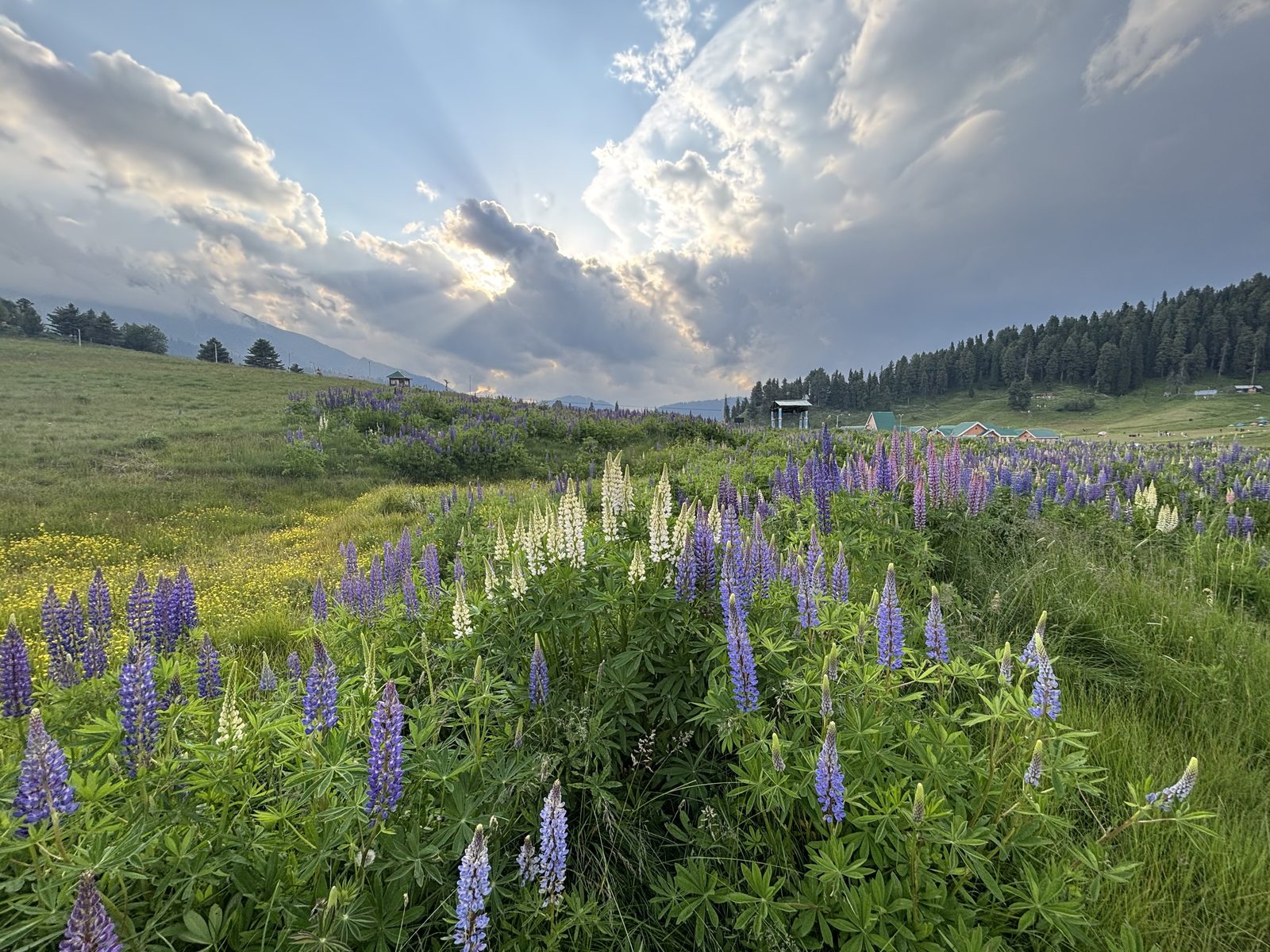
For me, Jammu and Kashmir is not a holiday. It is home. The mountains, the valleys, the lakes, all of it. And for as long as I can remember, honey was simply part of it. Thick, raw, a little wild, eaten straight off the spoon or stirred into a cup of kahwa. Nobody in my family thought of it as special. It was just what honey was.
Years later, living away, I went looking for that honey again. I could not find it. What sat on the shelves looked like honey and poured like honey, but it did not taste like anything I remembered. It was thin, flat, uniformly sweet. Somewhere between my childhood and now, the real thing had quietly disappeared.
What happened to honey
It turns out I was not imagining it. Most honey sold in India today is cut with sugar syrup. In a widely reported 2020 investigation, the Centre for Science and Environment tested leading brands and found that most of them passed India's routine purity checks but failed the stricter international test, a sign of syrup engineered specifically to slip past inspection.
That is the uncomfortable truth of this category. The adulteration is good. It is designed to look right, pour right and beat the obvious tests. If you want to understand why the kitchen experiments people share online prove nothing, I wrote a plain guide on how to actually spot real honey.
The honey I grew up on had not become rare by accident. It had been quietly replaced.
Going back to the source
So I went back. Not to a factory, but to the small beekeepers who work the high valleys, the same families who have kept bees here for generations. The honey I wanted comes from the acacia bloom, and acacia flowers for only a couple of weeks a year. It is a short, narrow window at altitude, which is exactly why this honey is uncommon and why it cannot be mass produced.
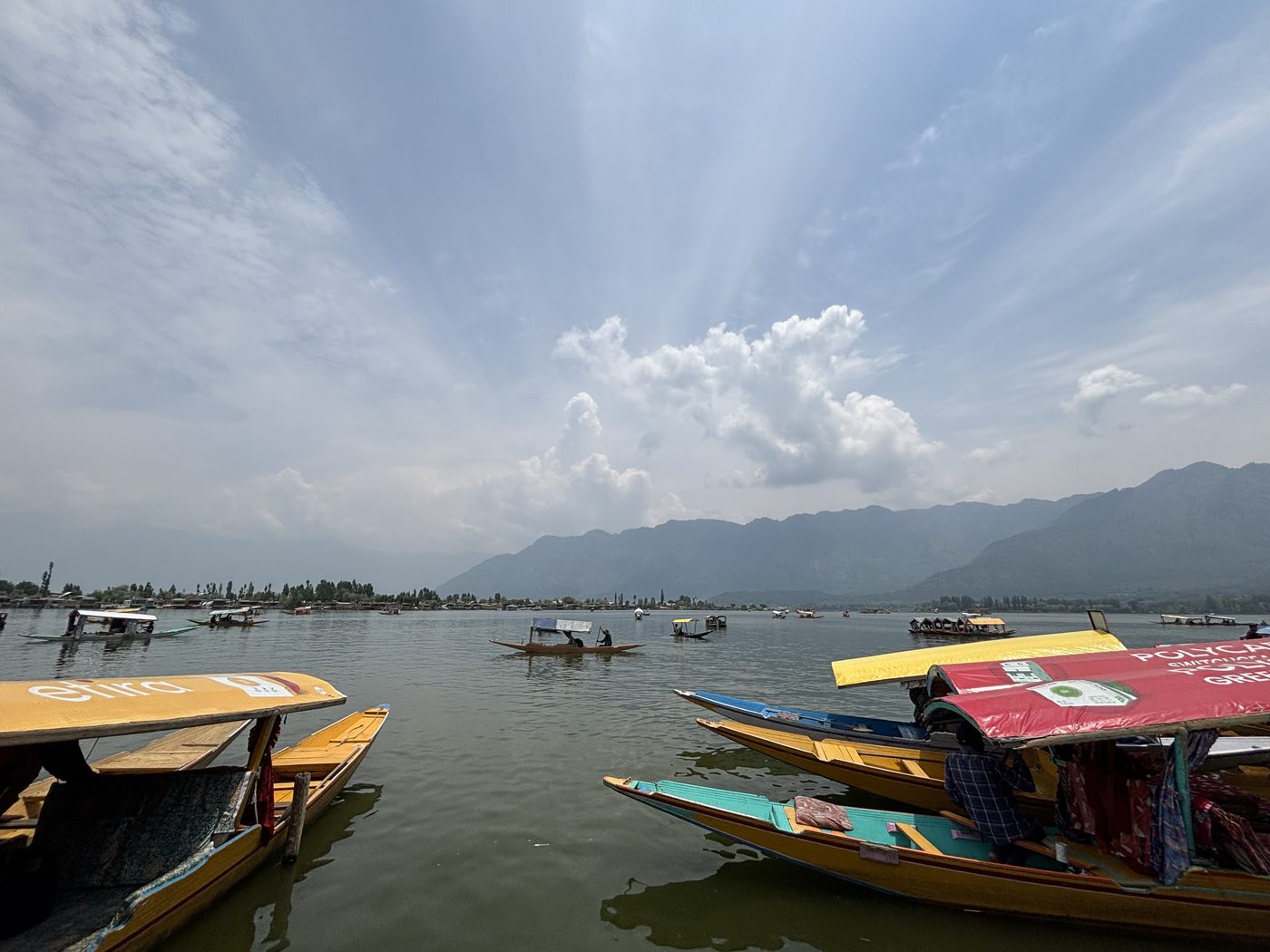
The honey is taken in small quantities, never heated and never filtered into something clear and lifeless. It is left as it comes, cloudy, alive, with the character of the flower and the place still in it. That is the whole point. There is nothing to improve on.
What Kashmir Reserve is
Kashmir Reserve is single origin acacia honey from the high valleys of Jammu and Kashmir. Small batch. Raw. Nothing added, nothing taken away. It is the honey I grew up on, bottled the way it should have been all along.
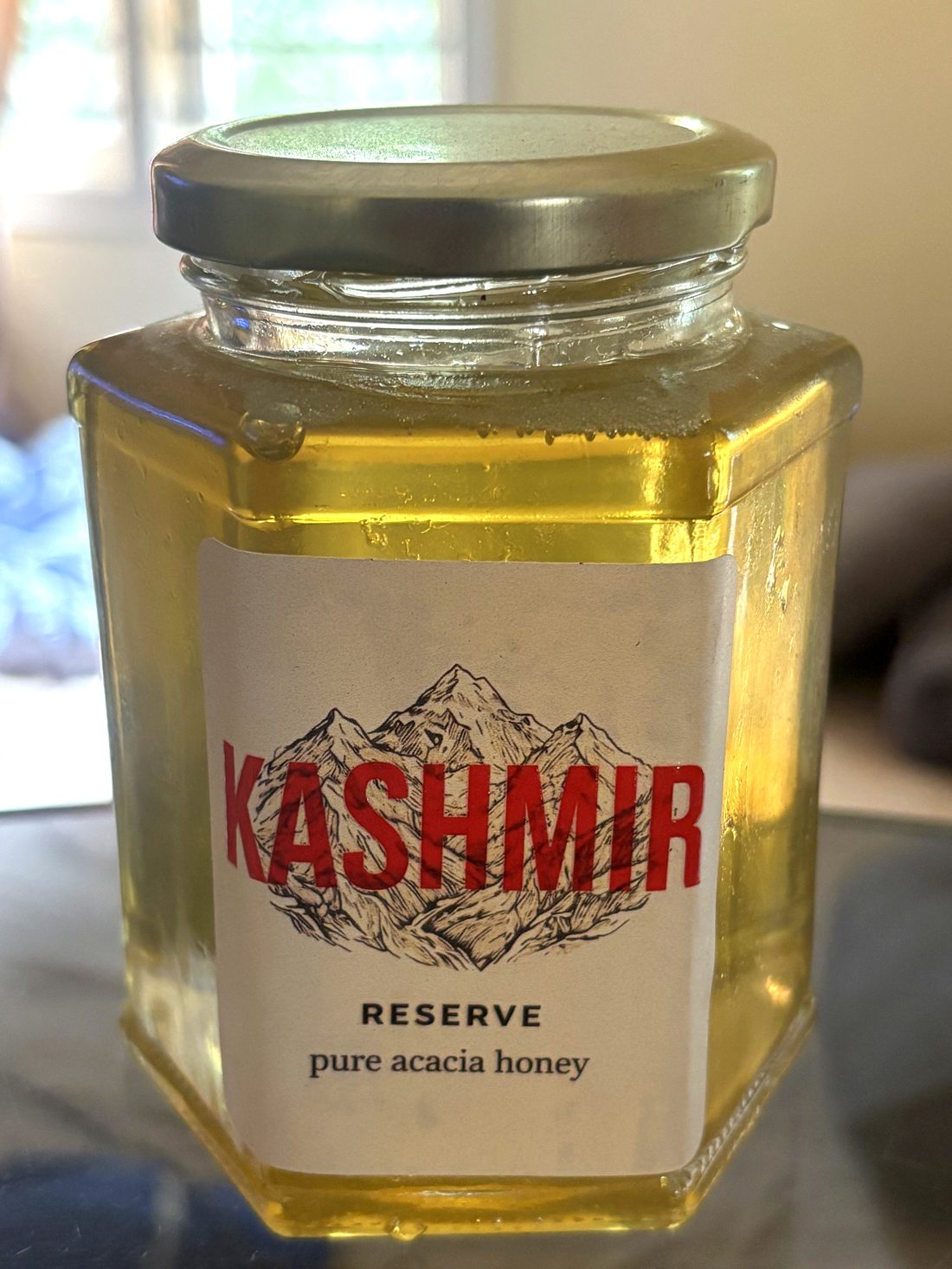
I am not interested in selling you an adjective. Anyone can print the word pure on a label. What matters is whether a brand will stand behind it, so I am having the honey independently tested and I will publish the results, whatever they say. In a category built on quiet substitution, the honest thing is to show the work, not just make the claim.
Try the honey I grew up on
Single origin acacia honey from Jammu and Kashmir. Small batch, raw, and never heated.
See the honeyThis is a personal account from the founder of Kashmir Reserve. The 2020 adulteration finding refers to the Centre for Science and Environment honey investigation. For how independent testing works and what actually proves purity, see our buyer's guide.